NanoDefense Pro Ingredients Explained: Full Breakdown
A closer look at all six featured ingredients in NanoDefense Pro — Nano-Silver, Nano-Curcumin, Nano-Quercetin, Luteolin, DNase and Cape Aloe.
Why Ingredient Transparency Matters
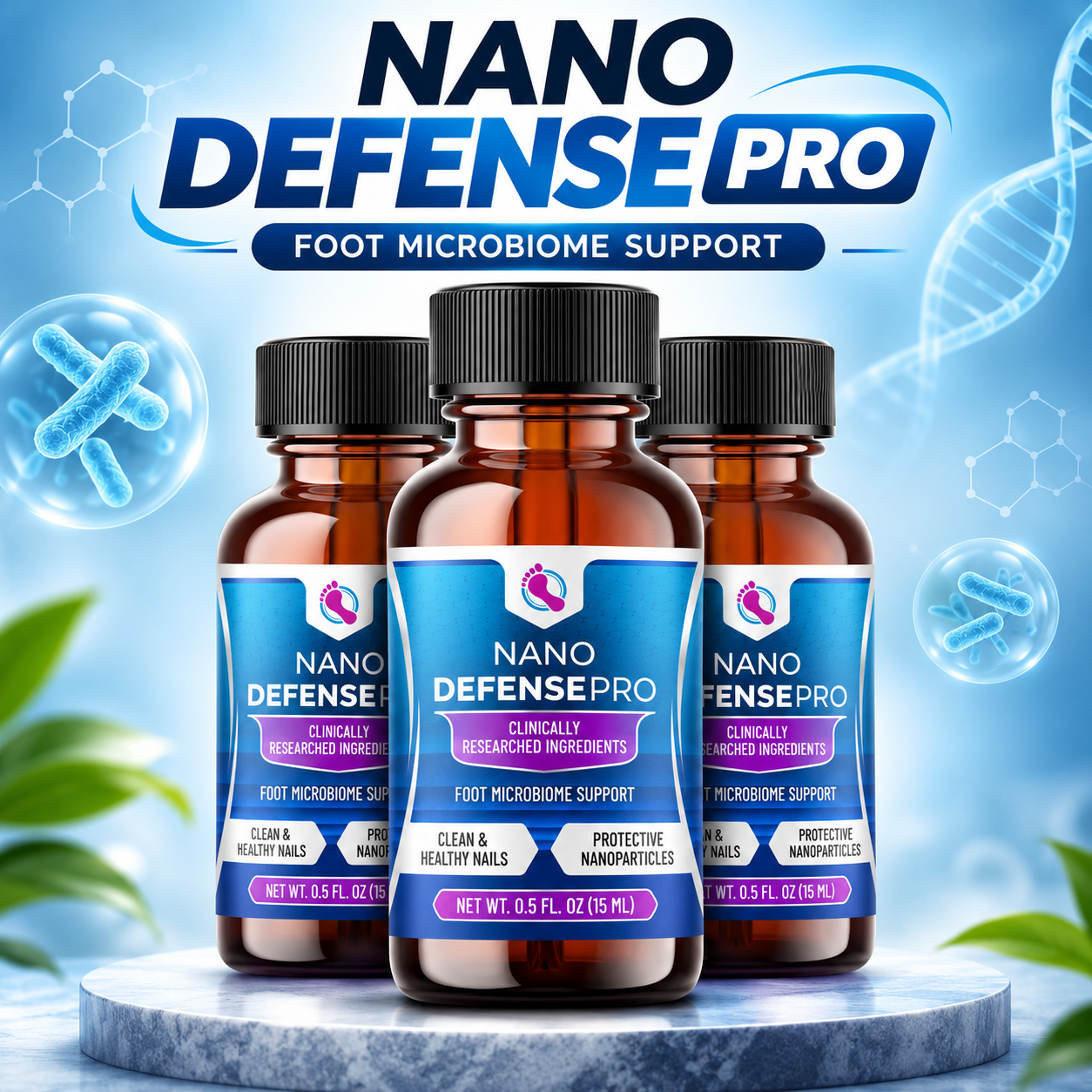
One of the first things worth checking on any topical personal-care product is whether its ingredients are clearly listed or buried inside a vague "proprietary blend." NanoDefense Pro lists all six of its featured ingredients directly on the label: Nano-Silver, Nano-Curcumin, Nano-Quercetin, Luteolin, Deoxyribonuclease (DNase) and Cape Aloe. This article walks through each one individually.
Nano-Silver
Nano-Silver is silver prepared at a reduced particle size intended for topical application. Silver-based ingredients have a long history of use in personal-care formulations, and the "nano" processing is meant to help it combine more evenly into a liquid base. Its inclusion here is as part of a six-ingredient blend, not as a stand-alone active.
Nano-Curcumin
Curcumin is the compound most associated with turmeric. In its nano-processed form, it's more easily incorporated into a liquid formula like this one. It contributes to the skin-conditioning side of NanoDefense Pro's everyday-care profile.
Nano-Quercetin
Quercetin is a naturally occurring plant compound found across a wide range of foods, from onions to apples. The nano-processed version used here is one of several complementary ingredients in the blend, included for its general characteristics rather than as a headline active ingredient.
A Quick Note on "Nano" Processing
You'll notice three of the six ingredients carry a "Nano-" prefix. This generally refers to particle-size reduction intended to help an ingredient disperse more evenly through a liquid carrier. It does not, by itself, establish a specific outcome for the finished product — that depends on the complete formulation.
Luteolin
Luteolin is a plant-derived flavonoid, a category of compounds found naturally in many fruits, vegetables and herbs. It's included among NanoDefense Pro's featured ingredients as part of the formula's broader botanical profile.
Deoxyribonuclease (DNase)
DNase is an enzyme — a type of protein that helps break down certain molecules. Its role within a topical liquid formulation depends heavily on the specific preparation, concentration and how it's combined with the other five ingredients, rather than on the enzyme alone.
Cape Aloe
Cape Aloe rounds out the formula as a botanical commonly used in topical personal-care products for its association with skin conditioning. It's included here to complement the skin around the nail bed specifically, which can be prone to dryness from everyday footwear and friction.
How the Six Ingredients Work Together
No single ingredient in NanoDefense Pro is positioned as the "active" component carrying the entire formula. Instead, the product is built around the combination — two botanicals, two nano-processed plant compounds, one nano-processed mineral-based ingredient, and one enzyme, all suspended in a single liquid base. For more on how that combination is meant to be applied and used, see how NanoDefense Pro works, and for real feedback from people who've tried it, check out our NanoDefense Pro reviews roundup.
Always Check Your Own Label
Ingredient lists and "other ingredients" can be updated between production batches. Always confirm the complete, current list against the label that ships with your bottle, and consult a healthcare professional if you have known sensitivities.
How This Compares to Single-Ingredient Products
Many nail-care products on the market lean on one headline ingredient — often tea tree oil or a single acid-based compound — and build their entire marketing story around it. NanoDefense Pro takes a different approach by combining six named ingredients into one liquid. That isn't automatically "better" in any measurable sense; it's simply a different formulation philosophy, and the right choice depends on what you're looking for. If you prefer a product with a long list of clearly disclosed ingredients over one built around a single active, that's the category NanoDefense Pro sits in.
Reading an Ingredient Label Like a Researcher
When comparing any two nail or foot-care products, it helps to ask the same three questions each time: Is every ingredient named, or is some of it hidden behind a "proprietary blend"? Are amounts disclosed where relevant? And does the marketing copy match what the label actually says? NanoDefense Pro's label lists all six featured ingredients by name, which is the detail most worth checking regardless of which product you eventually choose.
Ingredients to Discuss With a Professional First
If you have a known sensitivity to botanical extracts, a diagnosed skin condition, or you're currently using another topical treatment on the same area, it's worth reviewing NanoDefense Pro's full label with a healthcare professional before starting. This is especially true for anyone with broken or significantly irritated skin, since the formula is not intended for use on compromised skin without professional guidance.
What "Other Ingredients" Usually Means
Beyond the six featured, named ingredients, most topical liquids include a small set of "other ingredients" that make up the carrier base — the liquid that holds everything together and allows it to be applied with a dropper. These typically don't carry the same marketing emphasis as the featured actives, but they still matter for anyone checking a full ingredient list for sensitivities. Always review the complete list on your specific bottle rather than relying on a general summary like this one.
Explore more: Home · Official Page · Reviews · Ingredients